Showing posts with label personal finance. Show all posts

Friday, 11 March 2016

Three Common Errors Twentysomethings Financially Commit

When I graduated in my early twenties last five years ago, I could never be more happy. I 
couldn't wait to start on my new job and splurge my first year of finances on things I'd love 

to have that I couldn't afford. Of course, I had to pay off my college loan.

I knew that by the second year of my non-formative years, I had to do something for myself before I am done working in my industry.


Not Investing In Anything (Including Retirement)


One common error we youngsters often commit is not to contribute to my retirement as early as I can. I'm about 26 now, and I'm not really financially troubled despite having a son. 

I know retirement is far away. But my compound interests would do so much for me if I 
invested money in my ISA or other investments, which I did anyway.

And so should you.

Following Product Trends


During college, you see your more well-off peers have the latest gadgets or at least the convenience of digital tools to help them research. During my first year out, I purchased the newest, fastest Apple iPhone out in the market. I was supposed to follow through with the latest until I realised that every young professional I worked with was following this expensive and non-productive trend.

Following product trends is only helping the company and not you. As their value wears out completely in just a single year, they're the most useless investment you'll inject your hard-
earned pennies in.

No Emergency Funds

You know during college when we used to keep some money from our allowance into a sock or back compartment of a drawer for those weekends off or a date with a prospective somebody? Well, that's what an emergency fund is. Why many of my generation forgot about these emergency funds, I don't know. But I suspect it's due to a lack of dates.


But there's always time to place money in an emergency fund. The EF will help you pay off some bills or contribute to retirement. Despite having insurance, liquidated money on hand is a better option during health-oriented mishaps that can happen to you at any time.

Monday, 8 February 2016

The Most Hidden Financial Transactions From Partners

Bloomberg Business created a study and poll that surveyed the young and elderly about the personal finance product they have hidden from their partner.


About 13 million Americans were found to have hidden a bank or credit card account from their spouse or live-in partner. Younger people are likely to hide their personal finance secrets from their partners.

According to CreditCards.com's Senior Industry Analyst Matt Schulz, millenials are more comfortable talking about their finances given the proper environment and platform.

According to Schulz, the findings were shocking. With over millions of Americans hiding their personal finance accounts from spouses, it could do some "real damage in a relationship" in terms of trust and teamwork.

The survey ran from January 7-10, 2016.

Schulz added that budgets can only function between two people if both respect and follow the budget. If both parties do not know exactly what's coming in and going out, it can cause future troubles, according to Schulz.

To keep your finances and relationship in check, the following is advised:
  • Have a sit down with your partner and talk about your finances
  • Never be afraid not to share technical troubles you find with your finances.
  • Communicate often about your financial plans
  • Avoid complaining, provide a solution.

Wednesday, 8 April 2015

New Year, New ISA. We’ll Give You Four Reasons Why


It’s a new tax year after April 15 folks. After the carnage of filing taxes and tax returns, you’re not too sure about taking a new ISA. Why would you want an additional headache when after April 15, you could just go and chill a bit? Well, here are four reasons you might like being the early bird when it comes to your ISA


1.    The 12-Month Payoff
Investing today, you beat countless other individuals, groups and companies that cram their tax filing during the last minute.
You also have a reward: If you buy an ISA for 2015 right after, the whole financial year your money would be growing and earning interest.
Invest even in just a nominal lump sum in your ISA. It doesn’t have to be too big. If you invest money in your ISA by the end of tax season, you’ll be having the same amount, for a lesser price when you start early.

2.    Spread Investing Across the Year
We’re all very fond of piggy banks, aren’t we? When we have coins, we make sure to put them in a bottle. Now, why not put your coins or larger savings in your ISA every month to reach the pinnacle of £15,240?
The latter is the maximum ISA allowance for 2015/2016. If you stash away some of your cash, stocks and share with values of £50 to £100 monthly in your ISA, you could get a whole deal of interest. It also makes it easier to tackle the larger objective of growing your money as you hit the limit.

3.    Tried and Tested
According to the FTSE All Share Index in the past 14 years, it has generated positive returns. When you start investing early in your ISA, you could make it perform better. When the statistics tell the truth, what have you got to lose?

4.    Rebalance
Now that you’ve put money in your ISA, you could concentrate on other things, such as rebalancing your portfolio for the next year. You might want to sell some of your underperforming assets.
Explore other investment options and treat your ISA as one of them. But for your ISA, you don’t need to manage it; it’ll grow larger with the best results ever had than cramming at the last minute.

Sunday, 5 May 2013

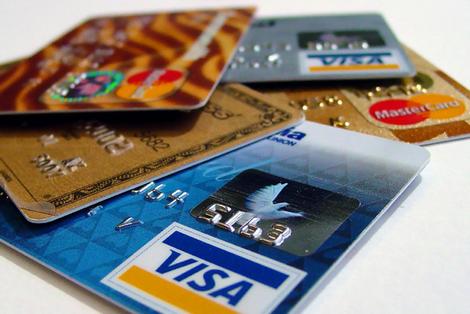
How I Keep My Credit Cards Free


In my opinion, credit cards are double-edged swords. They can help you raise your credit scores when you are a bit short, or they can drive you a debt hole that could be difficult to climb back out. However, if you use your credit card carefully, you could avoid great debt because of high interest rates and keep your credit card free. Here are a few ways to do such.


1.     Pay in Full
In my opinion, the convenience of a credit card is not because you could afford to have payment plans for expensive items and services instantly. A credit card is a tool to raise your credit limit and avail for yourself better financial deals with lenders in the future. I always make sure to pay my credit card bills in full. Not only do you avoid debt and raise your credit score, you also avoid the stress of having to worry about your bills later.

2.     Pay on Time
The number one reason I ended up with great debt in the past is because I always skipped the deadline payment date for my credit card. My card had a 5% interest rate at that time. Even for just three months of an additional 5% of my previous bill, it could create a hole in the budget. So pay on time and in full always.

3.     Limit your Purchases
If you apply for a credit card, you will need to use it at least once monthly. I use my credit card to purchase groceries or things that my family only needs. I don’t go overboard and purchase things that I want, such as a new television. Limiting your purchases allows you to fulfil tip number 1 and 2. You could do this more effectively if you write your purchases in a notebook to keep an eye on them.